

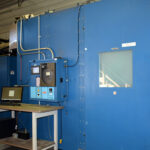
A product that performs perfectly at room temperature may fail when exposed to the temperatures of its intended environment. Temperature testing evaluates how heat, cold, and thermal cycling affect product performance, durability, and reliability. Repeated expansion and contraction can lead to material fatigue, cracking, warping, seal failures, and electrical issues over time. DATASYST recreates these conditions in a controlled laboratory setting to help identify potential weaknesses before they become field failures. Our chambers are capable of -70°C to 180°C, range in sizes from 1cuft to 14,700cuft.



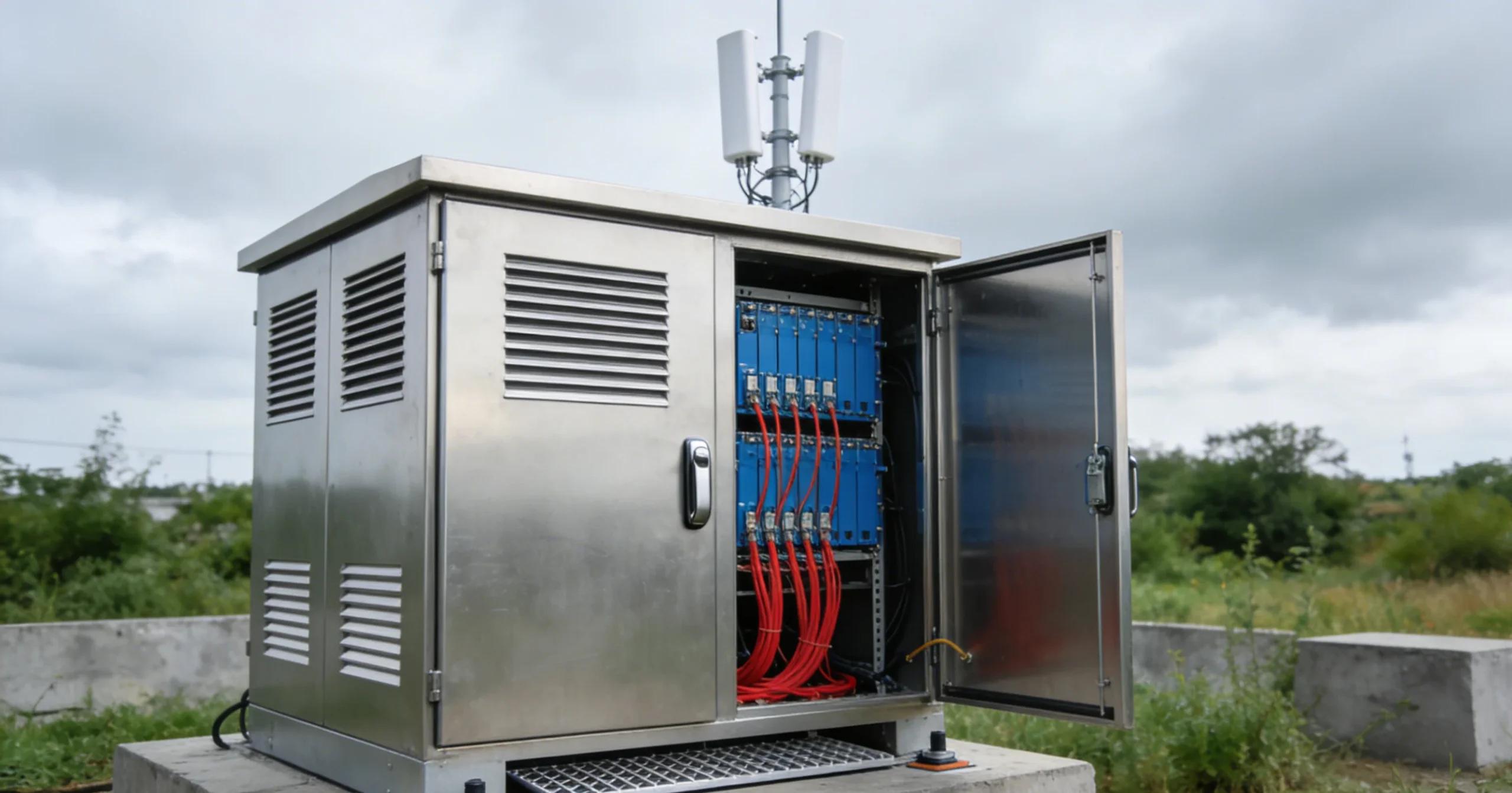

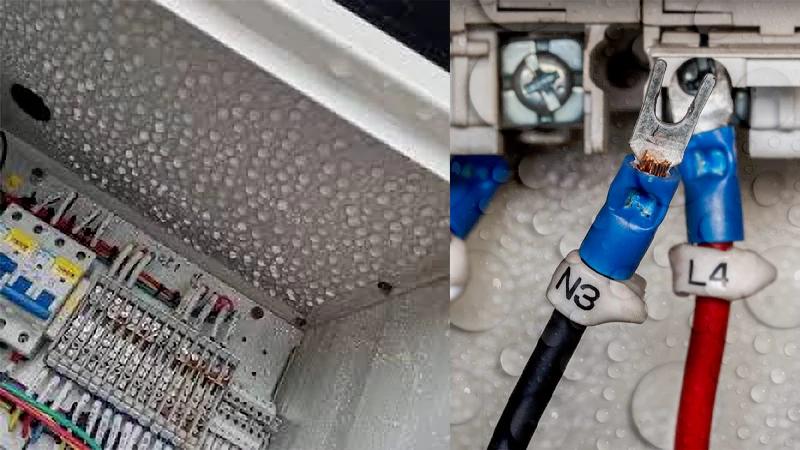


It is not always realistic to evaluate temperature extremes without accounting for humidity levels. Elevated humidity can lead to condensation, corrosion, electrical shorts, and degradation of materials, while temperature fluctuations cause materials to expand and contract. Repeated cycles of hot to cold and humid to dry conditions can accelerate fatigue, warping, cracking, and other failure mechanisms that may not appear under temperature exposure alone. DATASYST precisely controls both temperature and humidity levels to simulate real-world environments and evaluate how products perform throughout their intended service life.
 When a product must withstand extreme temperature changes in a very short period of time, thermal shock testing provides a realistic method of evaluating its durability and reliability. Unlike traditional temperature cycling, thermal shock testing rapidly transfers products between hot and cold environments, creating severe thermal stresses that can expose weaknesses in materials, seals, solder joints, adhesives, and mechanical assemblies. DATASYST can achieve cold temperatures as low as -70°C and hot temperatures up to 200°C, transferring products between environments in as little as 10 seconds. This testing helps manufacturers identify potential failure modes and verify product robustness before deployment in the field.
 Products rarely experience a single environmental condition in the real world. A component may be subjected to vibration while operating in extreme temperatures, humidity while under mechanical load, or thermal cycling while exposed to shock and vibration. Combined environmental testing recreates these simultaneous conditions in a controlled laboratory environment, providing a more realistic assessment of product performance and reliability.
By exposing products to multiple stresses at the same time, manufacturers can identify failure modes that may not appear during individual environmental tests. DATASYST can combine vibration, temperature, and humidity conditions to evaluate how products perform in their intended operating environments and verify product robustness before deployment.
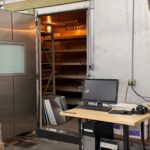 Sometimes products retain unwanted moisture, solvents, or other residual compounds from manufacturing or storage that can affect performance and reliability. Thermal bake-out exposes products to elevated temperatures for extended periods to remove these contaminants before they become a problem in the field. This process is commonly used to reduce moisture, minimize outgassing, and improve product stability. DATASYST can develop thermal bake-out programs tailored to your product and application requirements.
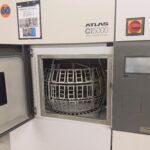 A product that looks and performs perfectly when new may degrade significantly after years of exposure to sunlight and weather. UV weathering testing accelerates the effects of sunlight, heat, and moisture to evaluate long-term material durability in a fraction of the time. This testing can reveal color fading, surface degradation, cracking, loss of strength, and other signs of premature aging. DATASYST helps manufacturers identify these potential issues before they impact product performance, appearance, or customer satisfaction.